Anúncios
Working While the World Sleeps
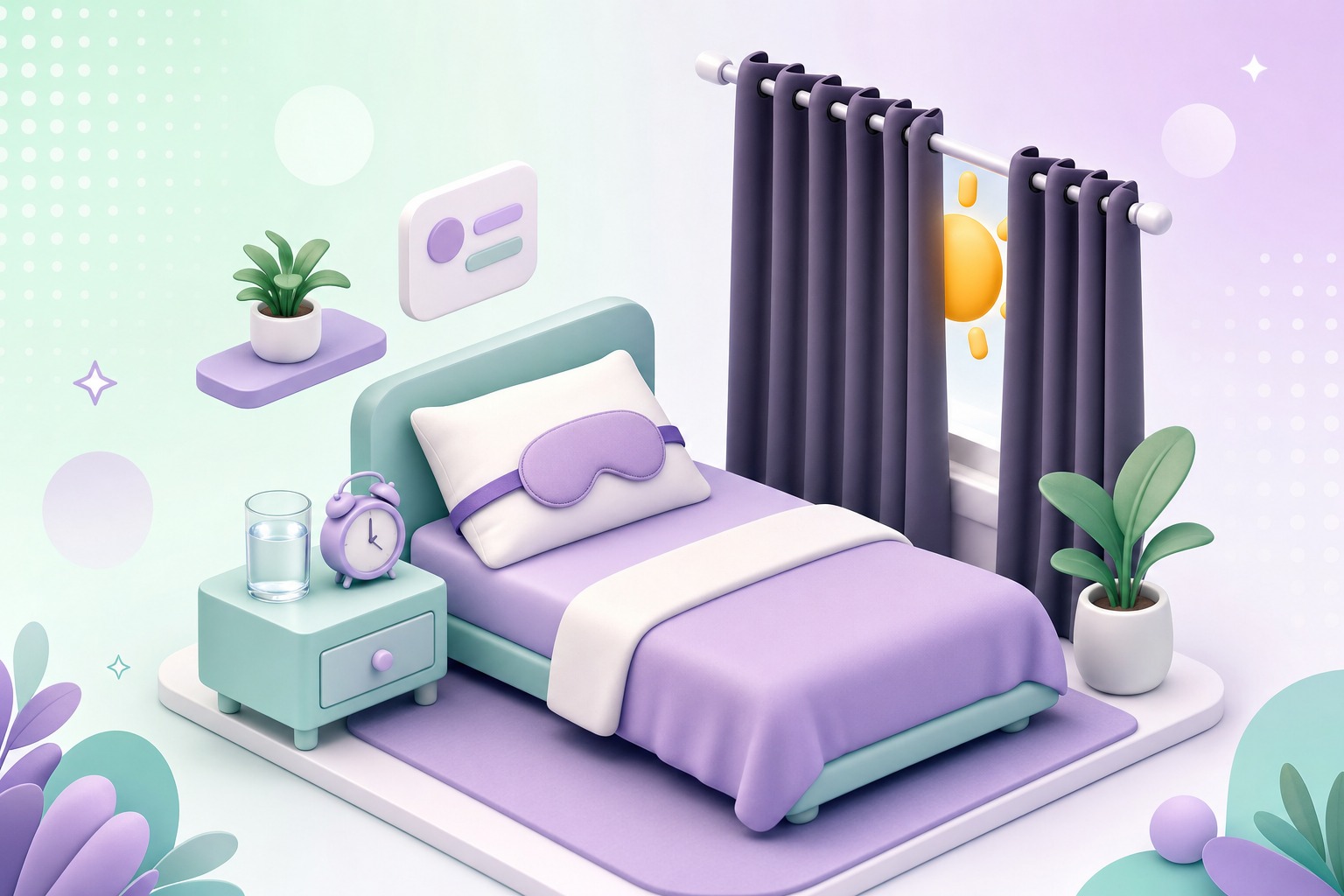
Hospitals, warehouses, security teams, transport networks, call centers and factories all keep running after dark. Somebody has to staff them, and for many people night work is a deliberate choice rather than a last resort. For others, it is simply the shift that was available.
Night work can bring real advantages, including extra pay in some workplaces, calmer surroundings and free daylight hours. It also asks a lot of the body, because humans are naturally wired to sleep at night and be active during the day.
This guide explains the trade-offs honestly and offers practical steps for staying healthy. Rules about night work, rest breaks and extra pay vary across countries such as the United States, Canada, the United Kingdom, Australia, India and South Africa, so check official local sources.
What Counts as Night Shift Work?
Night shifts usually cover the hours when most people sleep, often from late evening to early morning. Definitions differ. Some laws or employers define night work by a specific window of hours, while others use their own scheduling terms.
Some roles are fixed nights, meaning you work the same overnight shift every time. Others rotate, mixing day, evening and night shifts across a roster. Rotating schedules can be harder on the body, because your sleep pattern keeps changing.
There are also split or partial arrangements, such as late evening shifts that end around midnight or early starts that begin in the small hours. These are not full nights, but they still affect sleep and deserve the same planning.
Common Shift Patterns You May See
- Fixed nights: the same overnight shift on every working day.
- Rotating shifts: cycles of day, evening and night shifts.
- Compressed nights: fewer, longer night shifts with more days off.
- On-call nights: being available to respond if needed overnight.
- Late evening shifts: finishing around midnight or shortly after.
Common Jobs With Night Shifts
Many sectors need overnight staff. Some roles are open to people with little experience, while others require training, licenses or background checks. The examples below are common across many countries, though availability depends on your local area.
| Sector | Example night roles | Typical requirement |
|---|---|---|
| Healthcare | Care aide, porter, ward clerk | Background check, training |
| Warehousing | Picker, packer, loader | Physical fitness, safety training |
| Security | Guard, monitoring operator | Security license in many places |
| Hospitality | Night receptionist, auditor | Customer service skills |
| Transport | Cleaner, baggage handler, driver | Licenses or checks for some roles |
| Retail | Stock replenishment, overnight cashier | Reliability, basic training |
| Customer support | Overnight contact center agent | Communication, language skills |
| Manufacturing | Machine operator, line worker | Safety and equipment training |
Each sector has its own pace. Warehouse nights are often physically intense, while night reception or monitoring roles can involve long quiet stretches. Think about which rhythm you would handle better over months, not just weeks.
Requirements also vary by place. Security roles, for example, often need a license, and healthcare roles commonly require background checks. Confirm what applies locally through official sources before applying, so you are not caught out at the offer stage.
The Advantages of Night Work
Night work is not only something people tolerate. Many workers actively prefer it, and understanding the real benefits helps you weigh an offer fairly rather than simply focusing on the drawbacks.
- Extra pay in some workplaces: some employers or agreements pay a premium for night hours.
- Calmer environment: fewer managers, customers and interruptions in many roles.
- Daytime freedom: time for appointments, errands, study or childcare handovers.
- Lighter commutes: roads and public transport are often quieter.
- Easier entry: night roles can be easier to get in some competitive sectors.
- Strong team bonds: small night crews often support each other closely.
Night premiums are not universal. Some employers pay the same rate at all hours, and some laws require extra pay only in specific situations. Ask directly and check the written contract rather than assuming a higher rate.
The Challenges to Take Seriously
The main challenge is biology. Your internal body clock, often called the circadian rhythm, prepares you to sleep at night and be alert by day. Night work pushes against that rhythm, which can affect sleep, mood, digestion and concentration.
Daytime sleep is often shorter and lighter than night sleep. Noise, sunlight, family activity and deliveries can interrupt rest. Over time, many night workers build up a sleep debt that leaves them tired even on days off.
Health organizations have raised concerns about long-term effects of regular night work on heart health, metabolism and mental wellbeing. Research continues, and individual risk varies, so speak with a doctor if you have existing conditions or plan to work nights for a long time.
Common Difficulties Night Workers Report
| Challenge | How it shows up | Helpful response |
|---|---|---|
| Poor daytime sleep | Waking often, short sleep | Dark, quiet, cool bedroom |
| Fatigue on shift | Low energy around early morning | Planned breaks, light movement |
| Digestive issues | Heavy or unsettled stomach | Lighter meals, regular timing |
| Social isolation | Missing family and friends | Protected shared time |
| Low mood | Irritability, flat feelings | Daylight, exercise, support |
| Safety risk | Drowsy driving after shifts | Rest before driving, alternatives |
Building a Sleep Routine That Works
Good daytime sleep is the foundation of healthy night work. It rarely happens by accident. Most night workers who cope well treat sleep as a fixed appointment and adapt their home environment to protect it.
Try to sleep at roughly the same time after each shift. Many people go to bed soon after getting home, while others prefer to sleep later and wake closer to their next shift. Experiment for a few weeks and stay consistent with whatever works.
Make your bedroom as dark, quiet and cool as you can. Blackout curtains or blinds, an eye mask, earplugs or a fan for steady background noise can all help. Turn off phone notifications and let household members know when you are sleeping.
A Simple Sleep Checklist
- Wear sunglasses on the way home to reduce bright morning light.
- Avoid caffeine in the last several hours of your shift.
- Keep a short wind-down routine before bed, such as a shower or reading.
- Use blackout curtains and an eye mask to block daylight.
- Put a sign on the door or tell family when you need quiet.
- Aim for a consistent sleep window, even on some days off.
Managing Days Off Without Wrecking Your Rhythm
Days off are tricky. Many night workers want to switch back to a daytime schedule to see family and friends, then struggle when the next set of nights begins. There is no perfect answer, but some approaches make the switch easier.
One option is a short sleep after your last night shift, followed by an early bedtime that evening. This can help you move back toward daytime hours without losing a whole day. Before returning to nights, a nap in the afternoon can reduce early-shift tiredness.
Some workers on long runs of nights keep a partially shifted schedule on days off, going to bed late and waking late. This reduces how far the body clock swings each week. Choose the approach that best fits your household and energy.
Eating Well on Night Shifts
Your digestion follows the body clock too. Eating large, heavy meals in the middle of the night can leave you sluggish and uncomfortable. Many night workers feel better with lighter meals and planned snacks spread through the shift.
Plan meals before you leave home. Vending machines and late-night takeaways often offer limited, sugary or fried options. Packing your own food gives you more control, saves money and helps you avoid energy crashes in the early hours.
Hydration matters as much as food. Drinking water regularly helps concentration and energy. Caffeine can be useful early in a shift, but too much, or too late, can make daytime sleep harder.
Meal Planning Ideas
- Before the shift: a balanced main meal, similar to a normal dinner.
- Early in the shift: a light snack such as fruit, yogurt or nuts.
- Middle of the shift: a modest meal with protein and vegetables.
- Late in the shift: avoid heavy food and limit caffeine.
- After the shift: a small, light breakfast before sleep if hungry.
Staying Alert and Safe at Work
Alertness often dips in the early morning hours, when the body is most strongly programmed to sleep. This is when mistakes and accidents can be more likely, so it helps to plan for that low point rather than ignoring it.
Take your breaks. Rest breaks are protected by law in many places, and they matter even more on nights. Short walks, stretching, fresh air and bright lighting in break areas can help you feel more awake when energy drops.
Some workplaces allow short planned naps during long night shifts, especially in healthcare and transport. If your employer has a policy on this, follow it. Never nap in unsafe places or during tasks that require constant attention.
Personal safety matters too. Night workers may travel or work in quieter areas. Ask about security measures, lighting, safe parking, lone working policies and how to call for help. A responsible employer should explain these clearly.
Exercise and Movement on a Night Schedule
Regular physical activity supports sleep quality, mood and long-term health, yet it is often the first habit night workers drop. Finding a time that fits your new rhythm matters more than following a standard morning or evening routine.
Many night workers exercise after waking, before their shift begins. A walk, gym session or home workout at that point can raise alertness for the night ahead. Very intense exercise right before daytime sleep can make it harder to settle for some people.
Movement during the shift also helps. Standing up, stretching and walking during breaks can counter the early-morning slump, especially in desk-based night roles such as monitoring or customer support.
Easy Ways to Keep Moving
- Take a brisk walk outside soon after waking to get daylight.
- Stretch your back, shoulders and legs during each break.
- Use stairs instead of lifts where it is safe to do so.
- Schedule two or three short workouts a week around your roster.
- Join a gym or class with late or early hours that fit your shifts.
Tips for Rotating Rosters
Rotating shifts can be harder than fixed nights because your body clock never fully settles. Each change of shift asks it to adjust again. Some planning reduces how hard those changes hit.
When possible, prefer rosters that rotate forward, moving from mornings to afternoons to nights, rather than backward. Many people find forward rotation easier, because it is closer to how the body naturally drifts later. Ask your employer whether roster design takes this into account.
Before a run of nights, a short afternoon nap can help. After the last night, a brief sleep followed by an earlier bedtime can help you return to day shifts. Keep caffeine, meals and light exposure consistent within each block.
Pay, Premiums and Money Planning
Night work sometimes comes with extra pay, often called a night premium, shift allowance or differential. Whether it applies, and how much it adds, depends on the country, sector, employer and any collective agreement. It is never safe to assume.
When comparing offers, look beyond the hourly rate. Transport costs late at night, meals bought on shift, extra childcare and blackout curtains or sleep aids all affect what you actually keep. Some of these are small, but they add up over months.
| Item to check | Why it matters |
|---|---|
| Night premium or allowance | Can raise total earnings |
| Weekend and holiday rates | May differ from weeknight pay |
| Overtime rules | Long nights may cross thresholds |
| Transport support | Late travel can cost more |
| Paid breaks | Affects total paid hours |
| Meal facilities | Reduces spending on shift |
Get the details in writing before accepting. If pay rules are vague, ask how night hours are defined and paid, then compare the answer with official labor guidance in your country or state.
Health Checks and Medical Advice
Some countries give night workers the right to a health assessment, either before starting night work or at regular intervals. Rules vary, so check official employment or health and safety guidance where you live and ask your employer what they offer.
People with conditions such as diabetes, epilepsy, heart disease, sleep disorders or certain mental health conditions may need extra care with night schedules. Medication timing can also be affected. A doctor or pharmacist can help you plan around your shifts.
Even without existing conditions, it is sensible to review your health after a few months on nights. Ongoing poor sleep, weight changes, persistent tiredness or low mood are worth discussing with a professional rather than accepting as normal.
Getting Home Safely After a Shift
Drowsy driving is one of the most serious risks for night workers. After a long shift, reaction times and attention can be reduced, even if you do not feel especially tired. Many road safety agencies warn against driving while fatigued.
If you feel very tired, consider a short rest before driving, asking a family member for a lift, using public transport or sharing rides with colleagues. Some employers provide transport or rest areas for staff finishing late.
Plan your route home in advance, especially if you finish in the early morning when public transport may be limited. Keep a charged phone, let someone know when you leave, and choose well-lit routes where possible.
Warning Signs of Drowsiness
- Frequent yawning or heavy eyelids.
- Missing turns or exits you know well.
- Drifting between lanes or onto rumble strips.
- Trouble remembering the last few minutes of driving.
- Difficulty keeping your head up.
Protecting Family Life and Relationships
Night work can strain relationships because you may be asleep while others are awake, and awake while they rest. Without planning, weeks can pass with little real time together, which can leave everyone feeling disconnected.
Share your roster with family or housemates and agree on protected times together, such as a shared meal before a shift or a regular outing on days off. Small, predictable moments often matter more than occasional big plans.
For parents, night work can sometimes make childcare easier, but it can also lead to dangerously little sleep if you care for children all day. Be realistic about how much rest you need, and share responsibilities where possible.
Keeping Connected on Opposite Schedules
- Leave short notes or messages so household members know your plans.
- Use a shared calendar that shows shifts, sleep windows and family events.
- Plan one regular activity together each week that never moves.
- Agree on quiet hours at home while you sleep.
- Check in with friends who also work unusual hours for social time.
Mental Health and Wellbeing
Night work can affect mood. Reduced daylight, broken sleep and fewer social contacts can make some people feel low, irritable or isolated. Noticing early changes in your mood helps you respond before problems grow.
Getting some daylight each day can help, even a short walk outside after waking. Regular exercise, time with friends and hobbies that fit your schedule support wellbeing. Some night workers find it helpful to keep a simple sleep and mood diary.
If you feel persistently low, anxious or exhausted, talk to a doctor or a mental health professional. Many employers offer confidential support services, and public health services in many countries provide information on shift work and wellbeing.
Is Night Work Right for You?
Night work suits some people much better than others. Natural night owls, people who sleep easily in the day and those with flexible home lives often adapt more easily. People with certain health conditions or heavy daytime responsibilities may find it much harder.
Think honestly about your situation before accepting a night role. Consider your health, sleep history, family responsibilities, transport options and long-term goals. A trial period, if available, can help you find out how your body responds.
Questions to Ask Yourself
- Do I usually sleep well during the day, or do I struggle with naps?
- Can I make my bedroom dark and quiet during daylight hours?
- Who depends on me during the day, and can that responsibility be shared?
- Do I have a safe way to get home after a shift?
- Do I have any health conditions that a doctor should review first?
- Is this a short-term arrangement or a long-term plan?
Questions to Ask Before Accepting a Night Role
Job ads rarely give the full picture of night work. Asking clear questions helps you compare offers and understand what you are agreeing to. Most responsible employers expect these questions and should be willing to answer them in writing.
- What are the exact shift start and finish times?
- Is the roster fixed nights or rotating, and how far ahead is it published?
- Is there extra pay for night hours, weekends or public holidays?
- How long are breaks, and where can staff rest or eat?
- What security measures and lone working policies are in place?
- Is transport available or supported for late finishes?
- Can I move to day shifts later if my needs change?
Avoiding Fake Night Job Offers
Some fake job offers target people looking for night work, especially remote overnight roles such as data entry, chat support or monitoring. These scams may promise high pay for simple tasks, then ask for fees or personal details.
A genuine employer will not ask you to pay for training, equipment, software or registration to get a job. Be cautious of offers made only through messaging apps, without a proper interview or verifiable company address.
Check every employer through official business registers, the company’s verified website and independent reviews. If an offer feels rushed or unusual, pause and verify before sharing bank details, identity documents or money.
Red Flags to Watch For
- Upfront fees for training, kits or “account activation”.
- Pay that seems far higher than similar roles elsewhere.
- Requests to receive and forward money or parcels.
- No written contract or clear job description.
- Pressure to start immediately without basic checks.
Making Night Work Work for You
Night shift jobs can offer real benefits, from possible extra pay and calmer workplaces to more free daylight hours. They also challenge sleep, health, safety and relationships, and those challenges deserve honest planning rather than hope.
Protect your sleep with a dark, quiet room and a consistent routine. Eat lighter meals, stay hydrated, take your breaks and plan for the early-morning energy dip. Travel home safely and keep time for the people who matter to you.
Above all, listen to your body and review your choice regularly. If night work starts to affect your health or relationships, talk to your employer about adjustments or consider a move to day shifts. The right schedule is one you can sustain.
Editorial Disclaimer
This article provides general information only and is not medical, legal or financial advice. Our portal is not an employer or recruiter, is not affiliated with any employer, and does not offer jobs.
Night work rules, pay and rest requirements vary by country, region and employer. Speak with a health professional about personal health concerns, verify details with official sources, and never pay a fee to apply for any job.


