Anúncios
Your Outfit Is One Signal Among Many
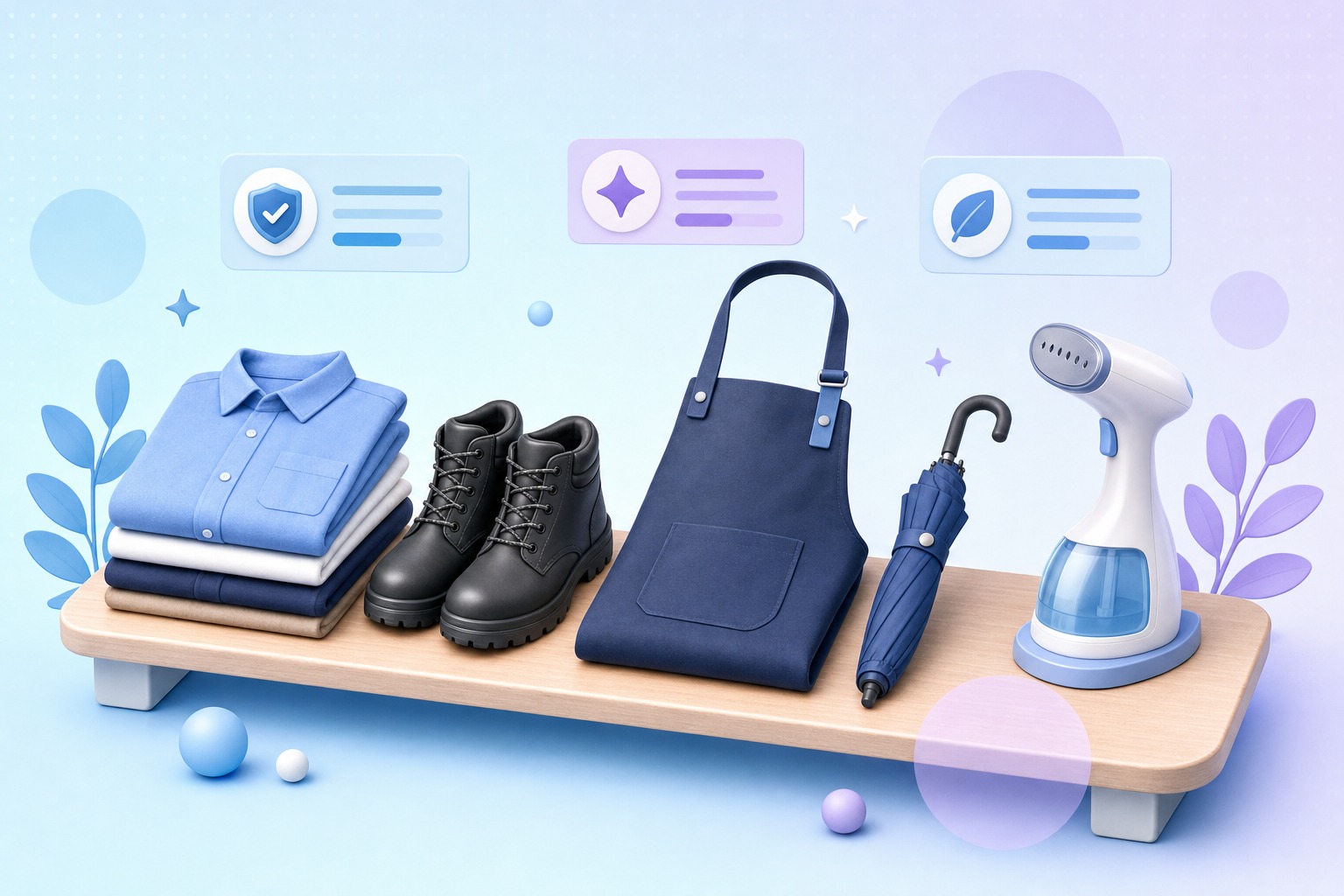
Clothing is rarely the main reason someone gets an entry-level job, but it does shape a first impression. A neat, suitable outfit tells an interviewer that you prepared, that you take the opportunity seriously and that you understand the kind of workplace you are joining.
The good news is that interview clothing for most entry-level roles does not need to be expensive or very formal. Clean, well-fitting and appropriate for the setting usually matters far more than brand names or the latest trends.
This guide explains how to choose an outfit for different workplaces, prepare on a small budget and adjust for climate, culture and personal needs. It draws on common expectations in the United States, the United Kingdom, Canada, Australia, India and South Africa.
Dress norms vary by country, region, industry and individual employer. Treat the suggestions here as a flexible starting point, and adapt them to what you learn about the specific workplace.
The Basic Rule: Match the Workplace, Then Step Up Slightly
A widely used guideline is to dress a little more formally than the people who already work in the role. If staff wear branded T-shirts and jeans, a clean collared shirt or neat top with smart trousers often fits well.
Dressing far more formally than the workplace is not usually a problem, but it can feel uncomfortable and sometimes out of place, for example wearing a full suit to a trial shift in a busy kitchen. Aim for neat and appropriate rather than overly formal.
Dressing too casually is the more common risk. Ripped jeans, sports shorts, flip-flops or clothes with large slogans may suggest you did not prepare, even if they match what some staff wear on the job.
Quick Ways to Learn the Dress Norm
- Visit as a customer: look at what staff wear in shops, cafes or reception areas.
- Check official pages: company websites and social posts often show staff at work.
- Read the invitation: some employers state a dress code or ask you to wear work boots.
- Ask politely: a short question to the recruiter is usually fine.
Dress Levels Explained
Workplaces tend to fall into a few broad dress levels. Knowing the vocabulary helps you decode invitations and job ads, although each employer interprets these terms in its own way.
| Dress level | What it often means | Typical settings |
|---|---|---|
| Business formal | Suit, tie or formal dress, formal shoes | Some banking, law, corporate head offices |
| Business professional | Tailored trousers or skirt, blazer optional | Office roles, reception, client-facing work |
| Smart casual | Collared shirt or neat top, chinos or smart trousers | Retail, hospitality, many offices |
| Casual neat | Clean jeans or trousers, plain top, clean shoes | Warehouses, some cafes, trades |
| Practical or safety | Sturdy clothes and closed shoes or boots | Construction sites, factories, outdoor work |
For most entry-level interviews, smart casual or business professional is a safe target. It sits comfortably between the extremes and adapts well to many workplaces.
Retail and Customer Service Roles
Retail interviews often take place on the shop floor or in a small back office. Managers look for someone who would feel approachable to customers. A clean, neat appearance in a style that roughly matches the brand can help.
Smart casual usually works well. Think of a plain shirt, polo or blouse with tidy trousers, a skirt or dark jeans without rips, depending on the store. Clean, comfortable shoes are important, since you may walk around the store during the interview.
For fashion retailers, a light nod to the store’s style can show interest, but avoid wearing the brand head to toe. You want to look like yourself, neatly dressed, rather than a mannequin.
Seasonal hiring events for busy shopping periods can move quickly, with several short interviews in a row. Comfortable shoes and a neat, simple outfit help you stay relaxed while waiting and moving between stations.
Hospitality and Food Service
Restaurants, cafes, hotels and catering firms often hold quick interviews or trial shifts. Interviewers notice cleanliness and practicality because hygiene and safety matter so much in these settings.
Choose clean, ironed clothes in simple colors. Closed shoes with non-slip soles are often expected for kitchen or service trials. Keep jewelry minimal and tie back long hair if you might handle food.
If you are invited to a trial shift, ask what to wear. Some employers provide aprons or uniforms, while others expect black trousers and a plain top. Arriving in the right practical clothing shows you listened.
Hospitality Outfit Checklist
- Clean, ironed top: plain colors usually look professional.
- Smart trousers or skirt: black or dark colors are common.
- Closed, non-slip shoes: safety in kitchens and service areas.
- Minimal jewelry: easier to keep clean and safe.
- Hair secured: tied back if you will handle food.
Warehouse, Logistics and Manual Roles
Warehouse and logistics interviews may include a site tour or a short practical task. Safety comes first. Wear sturdy, closed shoes and clothes that let you move comfortably without loose parts that could catch.
Clean jeans or work trousers with a plain top or polo are commonly acceptable. If the invitation mentions safety boots or high-visibility clothing, follow those instructions exactly, since you may not be allowed onto the floor without them.
Avoid sandals, high heels or loose scarves. Even if the interview itself happens in an office, being ready to walk safely through a working area shows you understand the environment.
| Item | Good choice | Avoid |
|---|---|---|
| Shoes | Sturdy closed shoes or safety boots | Sandals, heels, open-toe shoes |
| Trousers | Clean jeans or work trousers | Shorts, ripped or very loose items |
| Top | Plain T-shirt, polo or work shirt | Loose scarves, dangling cords |
| Accessories | Small watch, simple hair tie | Large rings, long necklaces |
Office and Administrative Roles
Office interviews often call for business professional or smart casual clothing. A collared shirt or neat blouse with tailored trousers or a knee-length skirt is a common choice. A blazer or cardigan can add polish without being too formal.
Look at the employer’s industry. Banks, law firms and government agencies may expect more formal clothing, while creative firms, startups and nonprofits may lean more relaxed. If unsure, choose the slightly more formal option.
Comfortable, clean shoes in a simple style work for most offices. Low heels, loafers, flats or plain leather or leather-look shoes are usually safe. Make sure you can walk easily if you are shown around the building.
For reception and front desk roles, interviewers may picture you greeting visitors. A tidy, approachable look in calm colors suits these positions well. Keep your bag and documents organized so you can hand over a resume smoothly if asked.
Care, Health and Education Support Roles
Interviews for care assistant, support worker, teaching assistant or similar roles tend to favor clean, practical, modest clothing. Employers want to see someone who would be comfortable working closely with people of all ages.
Smart casual is often suitable: neat trousers, a plain top or shirt and comfortable closed shoes. Avoid strong fragrances, since some clients or patients may be sensitive. Keep nails short and clean if the role involves personal care.
If the interview takes place at a school, clinic or care home, you might be asked to tour the premises. Dress so you can move easily and sit comfortably on different kinds of chairs.
Some care and education employers have rules on visible jewelry, long nails or loose clothing for safety and hygiene reasons. Following those norms at the interview shows that you already understand the practical side of the role.
Video Interview Clothing
For phone interviews, clothing does not matter to the interviewer, though dressing neatly can still help you feel focused. For video interviews, the interviewer sees your upper body, so choose a top as you would for an in-person meeting.
Solid, medium colors often look better on camera than very bright, very dark or busy patterns. Thin stripes and small checks can create a flickering effect on some screens. Test how your outfit looks during a practice call.
Dress fully, even if only your top half shows. You may need to stand up unexpectedly, and being fully dressed helps you feel more professional and prepared.
Check that your outfit contrasts slightly with your background. A dark top against a dark wall, or a white shirt against a white wall, can make you blend in. A small adjustment in color or seating position solves this easily.
Building an Interview Outfit on a Small Budget
You do not need new clothes to make a good impression. Many people put together an interview outfit from items they already own. Focus on what is clean, fits well and suits the setting rather than what is new.
Secondhand shops, charity stores and community clothing exchanges often have smart trousers, shirts, blazers and shoes at low prices. Some charities and community programs in several countries provide free interview clothing for people looking for work.
Public employment services, school careers offices and local nonprofits may know of clothing support schemes. Ask them directly. Availability varies widely by area, so check local services rather than assuming a program exists.
Budget-Friendly Approach
- Start with what you own: pick the neatest, best-fitting items.
- Borrow if needed: friends or family may lend a blazer or shoes.
- Shop secondhand: look for simple, neutral pieces.
- Ask about free programs: local charities or employment services.
- Choose versatile items: pieces that work for many interviews and early workdays.
A Simple Capsule for Repeated Interviews
If you expect several interviews, a small set of mix-and-match pieces can cover most situations. Neutral colors such as navy, grey, black, white and beige combine easily and suit many workplaces.
| Piece | Why it helps | Works for |
|---|---|---|
| Dark trousers or skirt | Pairs with almost any top | Office, retail, hospitality |
| Plain shirt or blouse | Neat and adaptable | Most interviews |
| Simple knit or cardigan | Adds warmth and polish | Cooler climates, offices |
| Blazer or smart jacket | Raises formality quickly | Office, client-facing roles |
| Clean closed shoes | Comfortable and practical | Nearly all settings |
| Plain polo or neat T-shirt | Casual but tidy | Warehouse, casual retail |
With these pieces, you can create several different outfits by changing the top or adding a layer. That reduces stress before each interview and helps you look consistent on early workdays too.
Comfort Helps You Interview Better
An outfit that looks good but feels uncomfortable can distract you throughout the interview. Tight collars, stiff new shoes, scratchy fabrics or waistbands that dig in can make you fidget and lose focus on the questions.
Wear new shoes around the house for a few days before the interview to break them in. Sit, stand and walk in your full outfit to check that nothing pinches, rides up or needs constant adjusting.
Choose fabrics suited to the expected temperature, and remember that nerves can make you feel warmer. Breathable materials and a removable layer give you flexibility. Feeling physically at ease frees your attention for listening and answering well.
Grooming and Small Details
Small details often matter as much as the clothes themselves. Clean, pressed clothing without stains, holes or strong odors makes a clear difference. Check for loose threads, missing buttons and pet hair before leaving.
Hair should look tidy in whatever style suits you. Facial hair, if any, can be neat and groomed. Nails should be clean. Makeup, if worn, is commonly kept natural for interviews, though norms vary by industry.
Keep fragrance light or skip it. Some people are sensitive to strong scents, and enclosed interview rooms can make fragrance overpowering. Fresh clothing and good hygiene are usually enough.
Final Details Checklist
- Clothes clean and pressed: no stains, creases or odors.
- Shoes clean: wiped or polished, laces tied.
- Bag simple: small enough to hold documents neatly.
- Phone silent: switched off or on silent mode.
- Accessories minimal: nothing distracting or noisy.
Climate, Culture and Personal Needs
Weather affects what is practical. In hot climates, lighter fabrics such as cotton or linen and short-sleeved shirts can still look professional. In cold climates, a smart coat and layers help, and you can remove outerwear on arrival.
Cultural and religious dress is generally compatible with professional appearance. Head coverings, modest clothing and traditional attire can all be appropriate. Many countries have laws against discrimination based on religion or ethnicity, although protections differ. Check official guidance where you live.
People with disabilities or medical conditions should choose clothing that supports their comfort and needs. Adaptive clothing, supportive footwear or mobility aids are all compatible with a professional appearance. Comfort helps you focus on the conversation rather than your outfit.
Regional Differences in Dress Expectations
Interview dress expectations shift from place to place. In large financial centers, office interviews may still lean formal. In many smaller towns and in hospitality and retail, neat smart casual is common across all of the countries covered here.
In India, formal or semi-formal clothing is often expected for office interviews, and traditional attire can be suitable in many settings. In South Africa and Australia, climate strongly shapes practical choices. In the United Kingdom and Canada, layered smart casual is often a safe choice.
In the United States, expectations vary strongly by region and industry. A tech startup and a bank in the same city may have very different norms. Researching the specific employer is more useful than relying on national generalizations.
Interview Formats That Change What You Wear
The type of interview can matter as much as the type of employer. A short chat with a store manager, a group assessment for a graduate program and a two-hour trial shift each call for slightly different preparation.
Group interviews and assessment days often involve activities, presentations or problem-solving tasks. Smart casual or business professional clothing that lets you move, sit on the floor or stand for long periods is sensible. Bring a layer in case rooms are cold.
Trial shifts and working interviews are closer to a real workday. Ask exactly what to wear and bring, since you may be serving customers, packing orders or cleaning. Practical clothes and safe shoes matter more than formality in these settings.
| Interview format | Clothing priority | Extra tip |
|---|---|---|
| Short manager chat | Neat and approachable | Match the store or venue style |
| Formal panel interview | Professional and polished | Choose the more formal option if unsure |
| Group assessment day | Smart and comfortable | Wear layers and comfortable shoes |
| Trial or working shift | Practical and safe | Ask about uniforms and footwear |
| Site tour | Safety-ready | Closed shoes, no loose accessories |
Questions to Ask Before Interview Day
When you are unsure what to wear, a short, polite question to the recruiter or manager is usually welcome. It shows care and prevents uncomfortable surprises. Most people are happy to answer.
You can keep the question simple. Ask what dress code applies for the interview, whether you will be touring any work areas and whether you need safety footwear or other equipment. Mention the role and date so they can reply quickly.
Useful Questions to Ask
- What is the dress code for the interview?
- Will the interview include a tour or a practical task?
- Should I bring safety shoes, gloves or other gear?
- Is there a uniform or apron provided for a trial shift?
- How long should I expect to be on site?
What If You Get It Wrong
Sometimes you arrive and realize you are dressed more formally or more casually than everyone else. This happens to many people, and it is rarely the deciding factor. Stay calm and focus on the conversation.
If you are overdressed, you can remove a blazer or tie if it feels appropriate. If you are underdressed, a brief, friendly comment acknowledging you were unsure of the dress code is usually enough. Then move on.
Interviewers are generally more interested in your attitude, reliability and answers than in a small mismatch. A positive, prepared manner can easily outweigh an outfit that is slightly off the mark.
Looking Ahead to Your First Week
Once you receive an offer, ask about the workplace dress code or uniform before your first day. Some employers provide uniforms, others give an allowance, and some expect staff to buy their own items. Policies vary widely.
Rules about who pays for uniforms, protective equipment and laundering differ by country and sometimes by state or province. In some places employers must provide safety gear, while in others costs can be shared. Check official labor guidance where you live.
Your interview capsule can often carry you through the first weeks until you know the norms. Watch what colleagues wear, ask your manager if anything is unclear and adjust gradually rather than buying a large new wardrobe at once.
Preparing the Night Before
Choosing your outfit the night before removes a major source of stress on the day. Try everything on, including shoes, to check fit and comfort. Iron or steam items that need it, and check the weather forecast.
Pack your bag with copies of your resume, a pen, a small notebook, any documents requested and a phone charger. Add an umbrella or extra layer if the weather may change. Keep a small comb, tissues and a snack if the day may be long.
Plan your route and travel time, allowing extra time for delays. Arriving rushed can undo the benefits of a well-chosen outfit. Aim to arrive around ten to fifteen minutes early.
Things to Avoid
Some choices commonly create a weak impression, whatever the workplace. They are easy to avoid with a quick check before you leave home.
- Dirty or wrinkled clothing: suggests a lack of preparation.
- Large slogans or graphics: can distract or offend.
- Very revealing items: often seen as unsuitable for interviews.
- Uncomfortable shoes: can make walking or standing difficult.
- Noisy accessories: jangling bracelets or keys can distract.
- Strong fragrance: may bother interviewers in small rooms.
Also be cautious if an employer asks you to buy a specific uniform or kit before an offer. Genuine employers may require work gear after hiring, but paying a recommended seller before being hired is a common job scam sign.
Bringing Your Interview Look Together
The best interview outfit for an entry-level job is clean, comfortable and suited to the workplace. Match the setting, then step up slightly. Pay attention to safety in practical roles and to neatness in customer-facing ones.
You do not need a large budget. Items you already own, secondhand finds or free community programs can provide everything you need. A small capsule of neutral pieces covers most interviews and early workdays.
Prepare the night before, check the details and focus on feeling at ease. Once your outfit is settled, you can put your energy into what matters most: listening carefully, answering honestly and showing why you would be a reliable team member.
Editorial Disclaimer
This article provides general information about interview clothing for an international audience. It is not legal, financial or career counseling advice, and dress expectations, workplace rules and anti-discrimination protections differ by country, region and employer.
This portal is not an employer, recruiter or employment agency and does not offer jobs. Verify employers through official sources, and never pay a fee to apply for a job or to buy required clothing or kit before receiving a genuine written offer.


