Anúncios
Protecting People and Property Is Steady, Structured Work
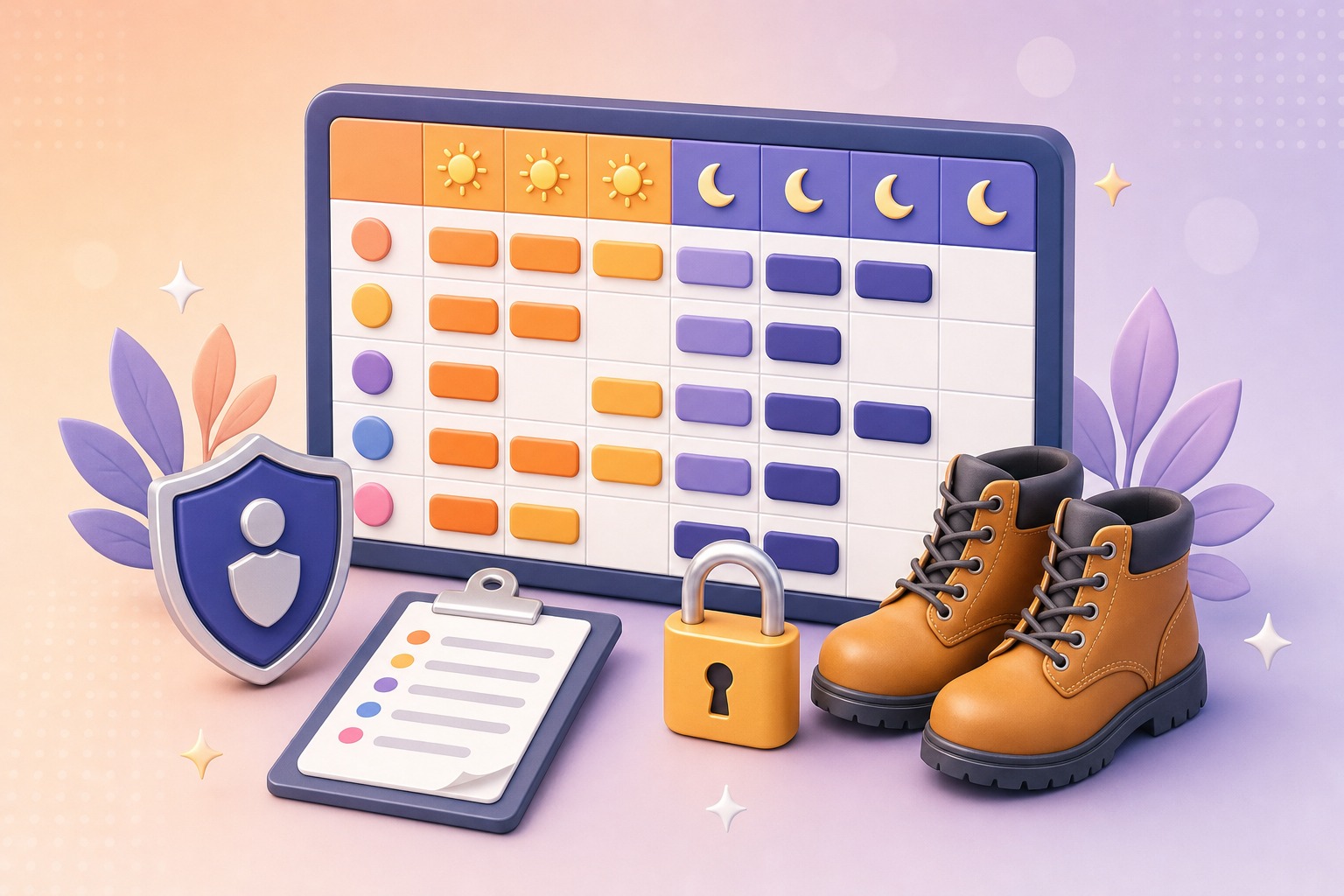
Security guards work almost everywhere people gather or valuable property is kept. Shopping centres, office towers, hospitals, warehouses, building sites, universities, residential complexes, concerts and sports grounds all rely on trained staff to keep them safe and orderly.
For many people, security is an accessible route into steady work. Formal degrees are rarely required, and entry-level roles exist in most cities. However, many countries regulate security work closely, so licensing and training usually come before your first shift.
The job is often less dramatic than films suggest. Much of it involves observing, patrolling, checking access, writing reports and helping visitors. Calm communication is usually more valuable than physical strength, and good guards prevent problems far more often than they confront them.
This guide covers security work in markets such as the United States, Canada, the United Kingdom, Australia, India and South Africa. Licensing rules differ greatly between countries, states and provinces, so always confirm requirements with the official regulator where you live.
What Security Guards Usually Do
Duties depend on the site, the employer and local law. A guard at a quiet office building at night has a very different routine from a guard at a busy shopping centre on a Saturday afternoon or a crowd steward at a stadium.
Common Duties Across Many Sites
- Access control: checking passes, signing in visitors and managing gates.
- Patrols: walking set routes to check doors, windows, alarms and hazards.
- Monitoring: watching CCTV screens and alarm panels.
- Customer help: giving directions and answering visitor questions.
- Incident response: responding to alarms, medical emergencies or disturbances.
- Reporting: writing clear daily logs and incident reports.
- Emergency support: helping during evacuations and fire alarms.
The reporting side is easy to underestimate. Clear, factual notes about what happened, when and who was involved can matter greatly later, especially if an incident leads to an insurance claim or police enquiry.
What Guards Usually Cannot Do
In most places, private security staff have limited legal powers compared with police. Rules on detaining people, searching bags or using force are often strict, and they vary between jurisdictions. Training courses usually explain exactly what applies locally.
Acting beyond your legal powers can expose you and your employer to serious consequences. Good employers make sure staff understand when to observe and report, when to call police and when to step back.
Types of Security Roles
Security is a broad field. Some roles are mainly customer facing, others are mostly technical or solitary. Understanding the differences helps you choose a role that suits your personality, schedule and physical comfort.
| Role | Typical setting | Main focus |
|---|---|---|
| Static guard | Office lobby, residential building, gatehouse | Access control and visitor help |
| Patrol officer | Industrial estates, campuses, car parks | Regular site checks, often by vehicle |
| Retail security | Shops and shopping centres | Loss prevention and customer safety |
| Event steward | Concerts, festivals, sports venues | Crowd flow, entry checks, safety |
| Control room operator | Monitoring centre | CCTV and alarm response coordination |
| Hospital security | Healthcare sites | De-escalation and staff support |
| Construction site guard | Building sites | Theft prevention and night watch |
Many people start in static or event roles because these often have the most openings. With experience and further training, they may move into control room work, supervision or specialised sectors.
Licensing and Registration Basics
Many countries require security guards to hold a licence or registration before working. The regulator, the course content and the renewal rules vary, but the overall process often follows a similar pattern.
The general steps usually include completing approved training, passing an assessment, undergoing identity and criminal record checks, applying to the regulator and paying the official licence fee where one applies. Processing can take several weeks, so start early.
How Requirements Differ by Country
The table below gives broad tendencies only. Rules change and differ within countries, so treat each row as a prompt to check the official regulator yourself.
| Market | Broad tendency | Worth checking |
|---|---|---|
| United States | Licensing set at state level, some states stricter than others | State licensing board and training hours |
| United Kingdom | Licence commonly required for many front-line roles | Official licence type for the role |
| Canada | Provincial licensing with set training standards | Provincial regulator and exam rules |
| Australia | State and territory licences with nationally recognised training | Licence class and renewal period |
| India | Private security agencies regulated, with guard training rules | Agency registration and training records |
| South Africa | Registration with the national security regulator commonly required | Grade levels and registration status |
Official licence or registration fees paid to a government regulator are different from fees demanded by unknown recruiters. Always pay official fees through the regulator’s own channels, never to an individual who promises a fast-track licence.
Background Checks
Because guards are trusted with access to buildings and sensitive areas, background checks are common. These may include criminal record checks, identity verification, right to work confirmation and sometimes previous employment history.
Having a past conviction does not always rule someone out, depending on the offence, how long ago it happened and local law. If you are unsure, read the regulator’s published guidance or contact them directly before paying for any training course.
Training You Can Expect
Licensing courses commonly cover legal powers, conflict management, emergency procedures, report writing, health and safety, customer service and basic first aid awareness. Some include practical exercises such as role plays or physical intervention techniques where permitted.
Course length varies widely, from a few days to several weeks, depending on the jurisdiction and licence type. Some employers sponsor training for new recruits, while others expect you to arrive already licensed.
Topics Commonly Covered
- Law and powers: what security staff can and cannot do.
- Conflict management: calming tense situations through communication.
- Emergency response: fire, evacuation, bomb threats and medical events.
- Report writing: recording incidents clearly and accurately.
- Health and safety: hazards, lone working and safe patrol habits.
- Customer service: helping visitors respectfully and professionally.
- First aid basics: sometimes required or strongly encouraged.
Choose a training provider approved by the official regulator. Unapproved courses may not count towards a licence, which can mean paying twice. Regulators often publish lists of approved providers on their websites.
Extra Certificates That Help
After the basic licence, optional courses can broaden your options. Examples include advanced first aid, CCTV operation, fire warden training, crowd management and defensive driving for mobile patrols.
Ask local employers which certificates they actually value before paying. Some will fund extra training once you are hired, especially for staff who show reliability in their first months.
Common Shift Patterns
Security is a round-the-clock industry. Buildings and sites need protection at night, on weekends and on public holidays, so shift work is the norm. Understanding common patterns helps you judge whether a role fits your life.
| Pattern | How it usually works | Things to consider |
|---|---|---|
| Standard day or night | Around 8 to 12 hours, fixed start time | Simple routine, nights can be lonely |
| Rotating shifts | Days, evenings and nights change week to week | Harder on sleep, more variety |
| Long shifts | Around 12 hours, fewer days per week | Fatigue risk, longer days off |
| Four on, four off | Four shifts, then four rest days | Good recovery time, long blocks |
| Event shifts | Single sessions linked to events | Irregular income, often weekends |
| On-call | Covering absences at short notice | Flexible but unpredictable |
Night shifts can pay more in some places, through shift allowances or premium rates, but this depends on local law and employer policy. Ask how night, weekend and holiday hours are paid before you accept.
Managing Night Work Healthily
Night shifts disrupt natural sleep patterns, so protecting rest becomes important. Many night workers use blackout curtains, keep a consistent sleep window and avoid heavy meals or lots of caffeine late in the shift.
Staying alert on quiet nights is a real challenge. Regular patrols, light snacks, water and stretching can help. Telling family members your sleep times reduces interruptions during the day.
A Typical Night Shift, Step by Step
Routines differ by site, but a night shift at an office or warehouse often follows a recognisable rhythm. The example below is simplified and is meant only to show how the hours are commonly structured.
Handover and First Checks
The shift usually starts with a handover from the outgoing guard. You read the log, note open issues such as a faulty door or an expected contractor visit, and collect keys, radio and access cards.
Signing for each item protects you if something goes missing later. If anything is missing at handover, record it before the previous guard leaves so responsibility stays clear.
Next comes a first patrol to confirm the site is secure. You check that doors are locked, alarms are set, lights work and there are no obvious hazards. Anything unusual goes straight into the log with the time.
The Middle Hours
Quiet hours are spent monitoring cameras, answering the phone, completing scheduled patrols and responding to any alarms. Some sites use electronic checkpoints that record when each patrol point is visited.
Staying alert at three or four in the morning is often the hardest part. Breaking long stretches with planned patrols and short stretches helps, as does keeping a steady routine rather than relying on large amounts of coffee.
Closing the Shift
Before the day team arrives, you complete the log, write up any incidents and prepare a clear handover. A short, organised handover helps the next guard understand the site quickly and shows managers that you take the role seriously.
Physical and Personal Requirements
Security roles vary in physical demands. Static lobby posts may involve long periods of standing or sitting, while patrol and event roles can involve hours of walking, climbing stairs and standing outdoors in heat, cold or rain.
Personal qualities matter as much as physical ones. Employers commonly look for people who stay calm under pressure, communicate clearly, follow procedures, write accurate reports and treat visitors with respect.
Qualities Employers Value
- Calm temperament: keeping composure when others are upset.
- Clear communication: explaining rules politely and firmly.
- Observation: noticing unusual behaviour or hazards early.
- Reliability: covering every shift on time, including nights.
- Integrity: handling keys, codes and sensitive information honestly.
- Teamwork: coordinating with colleagues, police and building staff.
Language skills are often important because guards give directions, write reports and communicate during emergencies. Being bilingual can be a real advantage in busy public places with international visitors.
De-escalation: Using Words Before Anything Else
Much of a guard’s value lies in preventing situations from getting worse. Most training courses teach de-escalation, which means calming tense moments through tone, body language and clear choices rather than physical action.
Simple techniques make a big difference. Keeping a calm, steady voice, giving people space, listening to their concerns and offering a clear option, such as speaking to a manager, can defuse many arguments before they turn into incidents.
- Stay calm: a steady tone helps others lower their own.
- Keep distance: give the person room and keep an exit clear.
- Listen first: let people explain before repeating rules.
- Offer choices: suggest a reasonable next step they can accept.
- Call for support: involve colleagues or police early when needed.
Knowing when to step back is part of good judgement. If a situation becomes dangerous, the usual advice is to withdraw to safety, call for help and record what happened.
Uniform, Equipment and Personal Costs
Security staff usually wear a uniform that makes them easy to identify, often with a visible licence badge where required. Some sites also issue high-visibility jackets, wet weather gear or protective vests depending on the risks.
Common equipment includes a radio, torch, notebook, access cards and sometimes body-worn cameras. Ask early which items the employer supplies and which you must buy yourself, such as boots, and whether replacements are paid for if items wear out.
Balancing Security Shifts With Other Commitments
Some people combine security work with study, family care or a second job, attracted by night and weekend shifts. This can work well, especially on quiet static posts, but fatigue builds quickly when sleep is squeezed from both ends.
Be honest with employers about your availability and avoid stacking long shifts back to back. A pattern you can keep up for months is worth more than a few weeks of extra hours followed by burnout.
Pay and Employment Arrangements
Security pay is commonly hourly at entry level, often close to local minimum wage levels in many markets, though rates vary by country, city, sector and shift time. Specialist roles, supervision and licensed control room work can pay more.
Many guards are employed by security contractors that supply staff to client sites. Others work directly for hospitals, universities or large companies with in-house teams. Event security often uses casual or agency arrangements.
Arrangements Compared
| Arrangement | Common features | Points to confirm |
|---|---|---|
| Contractor employee | Placed at one or several client sites | Site changes, travel, rosters |
| In-house employee | Works directly for the building owner | Benefits, training, progression |
| Agency or casual | Shifts offered when needed | Minimum hours, pay schedule |
| Event staff | Short engagements at venues | Who pays, when and how |
Ask whether uniform, boots and equipment are supplied. Some employers deduct costs from pay, which may be restricted by local law. Get any deductions confirmed in writing before you start.
Safety on the Job
Security work can involve risks, including confrontation, lone working at night, slips during patrols and exposure to bad weather. Reputable employers provide training, radios or phones, check-in procedures and clear instructions on when to call for help.
Lone workers should know exactly how to raise an alarm and how often they are expected to check in. If a site feels unsafe or procedures are unclear, raise it with your supervisor in writing.
Personal Safety Habits
- Check equipment: test your radio, torch and phone at the start of each shift.
- Know exits: learn evacuation routes and assembly points on day one.
- Report hazards: note broken lights, damaged fences or blocked exits.
- Avoid confrontation: observe and report rather than chase or detain where not permitted.
- Look after yourself: take breaks, stay hydrated and dress for the weather.
Your safety comes before property. Training courses in most jurisdictions stress that guards should not put themselves in danger to protect objects, and good employers support staff who follow that principle.
Writing Reports That Hold Up
Reports are a core part of the job. Daily occurrence logs, incident reports and handover notes create a record of what happened on site. These records may later be read by managers, clients, insurers or police.
Good reports stick to facts. They describe what you saw and heard, the time, the location and the people involved, without guessing at motives or adding opinions. Writing soon after an incident, while details are fresh, makes reports more accurate.
A Simple Structure for Incident Notes
- When: the date and exact time.
- Where: the specific location on site.
- What: a factual description of events in order.
- Who: people involved and any witnesses.
- Action: what you did and who you contacted.
Practising this structure, even during training role plays, builds a habit that makes real incidents easier to handle calmly.
How to Find Security Jobs
Security vacancies appear on general job boards, contractor websites, recruitment agencies and government employment services. Large venues and hospitals often post openings on their own careers pages, especially for in-house teams.
Event and festival seasons can create many short-term openings, which can be a useful way to gain first experience. Some guards start with event work and then move into steady site roles with the same company.
Preparing Your Application
Highlight any customer service, hospitality, retail, military, emergency services or volunteer experience. These backgrounds often demonstrate calm communication and reliability, which security employers value strongly.
State your licence status clearly, including licence type and expiry date if you already have one. List your shift availability honestly, including nights and weekends. Flexibility often makes a big difference in this industry.
Interview Questions You May Face
Security interviews often include scenario questions to test judgement. You might be asked how you would handle an aggressive visitor, a suspicious package, a fire alarm or a person refusing to leave.
- Scenario answers: describe calm communication, following procedure and calling for help.
- Legal awareness: show you understand the limits of your powers.
- Reliability: give examples of attendance and punctuality.
- Report writing: mention clear, factual record keeping.
You can also ask questions, such as how sites are allocated, how rosters are set, what equipment is provided and whether there are opportunities for further training or supervision.
Red Flags in Security Job Offers
Fake security job offers often target people looking for quick work or overseas opportunities. They may promise high pay, instant placement or a fast licence, and then demand money before anything happens.
Genuine employers may require you to hold a licence, and official regulators may charge application fees. But no legitimate employer should ask you to pay them personally to get a job. Be cautious with any of the following.
Warning Signs
- Payment to a recruiter: for placement, uniform deposits or job registration.
- Licence shortcuts: promises of a licence without proper training or checks.
- Overseas guard jobs: offered only through messaging apps.
- Unrealistic pay: far above typical rates for entry-level roles.
- No written contract: vague terms and pressure to start immediately.
- Document grabs: requests to hand over your passport.
Check the company through official business registers and the security regulator’s list of licensed providers, where one exists. If something feels wrong, walk away and report the offer to consumer protection authorities.
Career Progression in Security
Security offers real progression for people who build experience and training. Guards can move into supervisor, site manager, control room, investigations, corporate security or training roles, depending on local opportunities and further qualifications.
Some people specialise in areas such as healthcare security, event safety, loss prevention or close protection, each with additional training requirements. Others move into related fields like facilities management, emergency planning or workplace health and safety.
Possible Progression Paths
| Starting point | Possible next step | Helpful additions |
|---|---|---|
| Static guard | Site supervisor | Rostering, leadership, report review |
| Event steward | Event safety coordinator | Crowd management training |
| Patrol officer | Mobile response team lead | Driving record, local knowledge |
| Control room operator | Monitoring centre supervisor | CCTV and alarm systems training |
Keep copies of all certificates and training records. A well organised record makes licence renewals easier and strengthens applications for promotion.
Starting Your Security Career on Solid Ground
Security guard jobs are widely available and can offer steady, structured work for people who are calm, reliable and observant. Most roles require licensing, training and background checks, and the exact rules depend on where you live.
Begin by checking your local regulator, choosing an approved training provider and deciding which shift patterns suit your life. Confirm pay, equipment and deductions in writing, and look after your sleep and safety once you start.
Treat any request for money from an unofficial recruiter with suspicion. With the right preparation, a first security role can lead to supervision, specialist work and a long-term career.
Editorial Disclaimer
This article provides general information only and is not legal, tax or financial advice. Our portal is not an employer, recruiter, training provider or licensing body, is not affiliated with any security company, and does not offer jobs.
Licensing rules, training requirements, pay and worker rights vary by country, state and province. Verify details with the official regulator, the employer and government sources, and never pay a fee to apply for a job.


