広告
Why a Proper Inspection Is Worth the Time
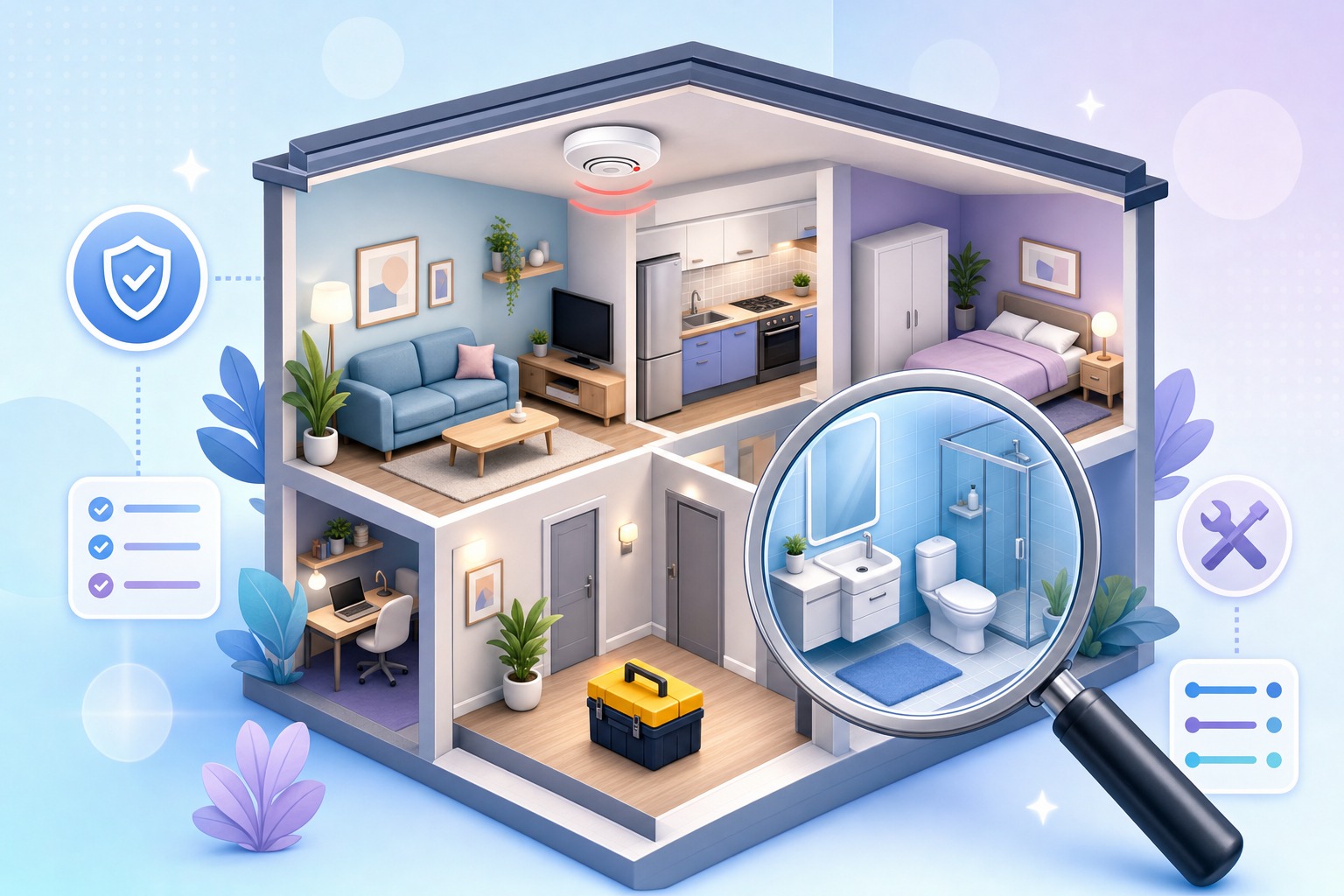
The day you collect keys to a new home is exciting, and the urge to start unpacking is strong. Taking an hour or two to inspect the property first can save a great deal of money, time and frustration later.
A careful inspection serves two purposes. It reveals problems that need repair, from a leaking tap to a faulty lock. It also creates a record of the home’s condition, which protects your deposit when the tenancy ends.
This guide explains how to inspect a rental in countries such as the United States, Canada, the United Kingdom, Australia, India and South Africa. Standards and tenant rights vary by location, so pair this practical checklist with your local official housing guidance.
Two Inspections: Before Signing and on Move-In Day
Many renters think of inspection as something that happens only on moving day. In practice, there are two useful moments to look closely at a home, and each has a different goal.
| Inspection | When it happens | Main goal |
|---|---|---|
| Viewing inspection | Before you apply or sign | Decide whether the home is suitable |
| Move-in inspection | When you collect the keys | Record condition and report issues |
During a viewing, you are deciding whether to rent the home at all. Serious problems, such as widespread damp or broken heating, may be reasons to ask for repairs before signing or to keep searching.
On move-in day, you are documenting the condition in detail. Even small marks matter here, because they form the baseline for the end of the tenancy when the landlord compares the home with how it was.
Deal-Breakers Versus Fixable Issues
Not every problem found during a viewing should stop you from renting. Some issues are easy to fix and can be agreed in writing before you sign. Others suggest deeper problems that may affect your health, safety or budget for the whole tenancy.
| Issue | Often fixable before move-in | Possible deal-breaker |
|---|---|---|
| Dripping tap or loose handle | Yes, usually a quick repair | めったに |
| Missing smoke alarm | Yes, should be fitted promptly | If the landlord refuses |
| Small patch of mold in a bathroom | Often, with cleaning and ventilation | If it is widespread or returns quickly |
| Broken heating in a cold climate | Sometimes, with a firm repair date | If no clear plan is offered |
| Signs of structural damage | Rarely simple | Often, until assessed professionally |
| Active pest infestation | Sometimes, with professional treatment | If the problem seems long-standing |
Getting Repair Promises in Writing
If the landlord agrees to fix something before you move in, ask for the commitment in writing, ideally with a date. A short email confirming the repair is often enough. Verbal promises made during a busy viewing are easy to forget on both sides.
Consider asking whether the repair will be completed before the start date or shortly after. If the issue affects safety or basic comfort, such as heating, hot water or locks, it is reasonable to expect it fixed before you live there.
What to Bring to an Inspection
A few simple tools make inspections faster and more thorough. Most of them fit into a small bag, and many people already have them at home.
- Smartphone or camera: for dated photos and short videos.
- Flashlight: for dark cupboards, under sinks and behind appliances.
- Notebook or checklist: printed or on your phone.
- Phone charger: to test electrical sockets.
- Measuring tape: to check that furniture will fit.
- Small towel or tissue: for testing taps and checking for drips.
- The condition report: if the landlord or agent has provided one.
If possible, bring a friend or family member. A second person often notices details you miss and can act as a witness if questions arise later.
Starting With the Outside and Entrance
The exterior and entrance often give early clues about how the property is maintained. Start here before stepping inside, and take a few wide photos of the building, the front door and any outdoor spaces included in the lease.
Exterior Points to Check
- Roof and gutters: visible damage, missing tiles or overflowing gutters, where you can see them safely.
- 壁: large cracks, peeling paint or signs of water staining.
- Windows: broken panes, damaged frames or missing screens.
- Paths and steps: trip hazards, loose paving or poor lighting.
- Outdoor areas: condition of gardens, balconies, fences and gates.
Entrance and Security
Check that the front door opens, closes and locks smoothly. Test every key you have been given, including keys for windows, mailboxes, gates and storage. Note how many keys you received and record the number in writing.
In apartment buildings, check the shared entrance, intercom or buzzer, mailbox and stairwells. Ask who is responsible for maintaining these areas, since they are often managed separately from your unit.
Living Room and Bedrooms
Living spaces tend to collect small marks over time, so recording their starting condition carefully is important. Work systematically, starting at the door and moving around the room clockwise.
- Walls and ceilings: marks, scuffs, holes, cracks, stains or signs of damp.
- 階数: scratches, stains, loose boards, worn areas or damaged carpet.
- Windows: opening, closing, locks, curtains or blinds and any condensation damage.
- Doors: handles, hinges, locks and how well they close.
- Lights and switches: test each one.
- Sockets: test with your phone charger.
- Built-in storage: wardrobes, shelves and drawers, inside and out.
- Furniture: if furnished, check every item listed in the inventory.
Photograph each wall and the floor, then take close-up shots of any existing damage. Include an object for scale, such as a coin or pen, in close-ups so the size of a mark is clear later.
Furnished Rentals Need Extra Detail
If the home comes with furniture, compare each item with the inventory. Check mattresses for stains, sofas for tears, tables for scratches and chairs for loose joints. Make a note of any items missing from the list or present but not listed.
Kitchen Inspection
Kitchens contain many appliances and fixtures, which makes them one of the most important rooms to inspect. They are also a common area for cleaning deductions, so documenting their condition clearly is valuable.
Appliances
- Oven and stovetop: switch on each burner or element and the oven, then check that they heat.
- Fridge and freezer: check that they are cold, clean and that seals close properly.
- Dishwasher: where present, run a short cycle if practical or check for leaks underneath.
- Microwave and extractor fan: test each function.
- Washing machine: sometimes located in the kitchen, check for leaks and connections.
Sink, Taps and Cupboards
Run hot and cold water and check pressure, drainage and drips. Look under the sink with a flashlight for leaks, water stains or signs of pests. Open every cupboard and drawer, checking hinges, runners and shelves.
Photograph the inside of the oven, fridge and cupboards. These areas are often overlooked at move-in but frequently questioned at move-out, so dated photos of their starting condition can be very helpful.
Bathroom Inspection
Bathrooms are prone to water damage, damp and mold. Problems here can grow quickly if not reported, so take time to check each fixture and surface carefully.
- Toilet: flush, check refilling and look for leaks around the base.
- Shower and bath: test water pressure and hot water, and check drainage speed.
- Sink and taps: check for drips and slow drains.
- Grout and sealant: look for cracks, gaps, discoloration or mold.
- Tiles: check for cracked or loose tiles.
- Ventilation: test the extractor fan or check that the window opens properly.
- Mirrors, cabinets and fittings: check that everything is secure.
Signs of persistent damp, such as black spots on ceilings, peeling paint or a musty smell, deserve particular attention. Report them in writing, as they may indicate a ventilation or leak problem the landlord should address.
Heating, Cooling, Water and Electrics
Systems that keep the home safe and comfortable are often the landlord’s responsibility to maintain, depending on local law. Testing them at the start helps you spot problems before they become urgent, such as heating failing during cold weather.
| System | チェックすべき事項 | なぜそれが重要なのか |
|---|---|---|
| Heating | Radiators, heaters or central system switch on and warm up | Comfort and health in cold months |
| Cooling | Air conditioning or fans operate, where provided | Comfort and safety in hot climates |
| Hot water | Reaches taps within a reasonable time | Daily hygiene and cleaning |
| Electrics | Lights, sockets, switches and the fuse box or breaker panel | Fire safety and daily use |
| Gas | Appliances work and any safety certificate is available | Safety requirement in many places |
| Water supply | Pressure and any signs of discoloration | Daily use and possible pipe issues |
Ask the landlord where the main water shut-off valve, fuse box or breaker panel and gas meter are located. Knowing this in advance can make a big difference during an emergency.
Safety Certificates and Records
Some countries and states require landlords to carry out regular safety checks on gas, electrical systems or appliances and to give tenants copies of the certificates. Ask whether these apply to your home and request copies for your records.
Safety Features to Test
Safety equipment protects you and your belongings, and in many places landlords are legally required to provide certain items. Check that each feature is present and working before you settle in.
- Smoke alarms: press the test button on each alarm.
- Carbon monoxide alarms: where fuel-burning appliances are present, check that alarms are fitted and working.
- Locks: test every door and window lock.
- Fire exits: in apartment buildings, confirm the location of exits and that routes are clear.
- Fire extinguisher or blanket: where provided, check the expiry date.
- Balcony railings and stairs: check that they are secure.
If any safety feature is missing or broken, report it immediately in writing. Safety issues often require faster action than routine repairs, and many local rules treat them as urgent.
Looking for Damp, Mold and Pests
Damp, mold and pests can affect health and damage belongings. They are sometimes hidden during viewings, so the move-in inspection is an important chance to check thoroughly.
Signs of Damp and Mold
- Black or green spots on walls, ceilings or window frames.
- Peeling wallpaper or paint, especially near windows or in corners.
- A persistent musty smell.
- Water stains on ceilings, particularly below bathrooms.
- Condensation pooling on window sills.
Signs of Pests
- Droppings in cupboards, behind appliances or along skirting boards.
- Small holes in walls, floors or packaging left behind.
- Insects in kitchens, bathrooms or bedding.
- Gnaw marks on cables, wood or pipes.
If you notice signs of either problem, photograph them and report them in writing straight away. Recording them at the start makes it clear that the issue existed before you moved in.
Practical Details That Affect Daily Life
Some features are not about damage or safety, but they still shape how comfortable a home feels. Checking them during the inspection helps you plan furniture, internet and daily routines before you commit fully to the space.
- Mobile signal: check coverage in each room, especially where you plan to work.
- Internet connection: ask which providers serve the building and where the connection point is.
- Natural light: notice which rooms get sun and at what times.
- Storage: look for space for bikes, luggage, cleaning supplies and seasonal items.
- Laundry: check whether there is a machine, a shared laundry room or a drying area.
- Furniture fit: measure doorways, stairs and key walls for large items.
These checks may seem minor, but they often decide whether a home works for you in practice. A beautiful room with no signal or nowhere to dry clothes can become frustrating within weeks.
Climate and Seasonal Checks
The time of year you inspect can hide some problems. A home viewed in summer may seem warm and dry but feel very different in winter. A home viewed in winter may hide overheating issues that appear in hot months.
Ask the landlord or previous tenants, if possible, how the home performs across seasons. Look for clues such as heavy curtains, portable heaters, fans or dehumidifiers left behind, which can hint at temperature or damp challenges.
Questions About Seasonal Comfort
- How does the home stay warm in winter, and roughly how much do heating bills tend to be?
- Is there air conditioning, ceiling fans or good cross ventilation for hot weather?
- Has there been any flooding, roof leaks or storm damage in the past?
- Are windows double glazed or fitted with screens, depending on the climate?
Recording the Condition Properly
An inspection is only useful if the record is clear and easy to share. Good records combine photos, videos and written notes, all dated and stored safely for the whole tenancy.
Photos and Videos
Take wide shots of each room from the doorway, followed by close-ups of specific details. A slow video walk-through, narrating what you see, can add useful context. Make sure the date is recorded, either in the file details or by saying it on video.
Written Notes
Write a short note for each room, listing anything damaged, stained, missing or not working. Be specific, such as “small scratch on left side of kitchen door” rather than “some scratches.” Specific notes are much more useful in a dispute.
Comparing With the Landlord’s Report
If the landlord provides an inventory or condition report, compare it carefully with what you see. Add your own notes where you disagree, sign only when you are satisfied and keep a copy. If the report is digital, reply with comments in writing.
| Record type | 強さ | ヒント |
|---|---|---|
| 写真 | Clear proof of specific details | Include an object for scale |
| Video walk-through | Shows layout and context | Narrate the date and room |
| Written notes | Precise descriptions | Be specific about location |
| Signed condition report | Agreed record | Add your comments before signing |
Reporting Problems You Find
Most homes have some minor imperfections, and that is normal. The key is to separate issues that only need recording from issues that need repair, and to report both clearly in writing.
Issues to Record Only
Small scuffs, minor carpet wear, light scratches on floors and old picture holes usually just need to be documented. They show the starting condition and protect your deposit, but they may not need fixing.
Issues That Need Repair
Leaks, broken locks, faulty appliances, heating problems, damp, pests and missing safety equipment should be reported for repair. Describe each issue, include photos and ask when it will be addressed.
- Be clear: describe the problem, its location and when you noticed it.
- Attach evidence: photos or short videos make the issue easy to understand.
- Prioritize safety: mark urgent safety issues clearly at the top of your message.
- Keep copies: save every message and reply.
- Follow up: if you hear nothing, send a polite reminder after a reasonable time.
If urgent problems are not addressed, local tenant advice services or housing authorities can explain what steps are available where you live.
Keeping a Simple Repair Log
Start a repair log on move-in day and keep it for the whole tenancy. Record each issue, the date you reported it, how you reported it and when it was fixed. A short table in a notes app or spreadsheet is enough.
This log becomes useful evidence if repairs are delayed or if questions about damage come up at move-out. It also helps you notice repeat problems, such as a leak that keeps returning, which may need a more permanent solution.
Questions to Ask on Move-In Day
Move-in day is a good opportunity to clarify practical details that will make your tenancy easier. Ask while the landlord or agent is present, and write down the answers.
- Where are the water shut-off valve, fuse box and meters?
- How should repairs be reported, and what counts as an emergency?
- Who should I contact outside normal hours?
- When are rubbish and recycling collected, and where are the bins?
- Are there building rules for noise, parking, bikes or shared spaces?
- Are there manuals or instructions for appliances, heating or alarms?
Save the answers in your tenancy folder with your lease and condition report. Having everything in one place means you can find what you need quickly when something goes wrong.
When You Cannot Inspect in Person
Renters relocating from another city or country sometimes cannot attend a viewing or move-in inspection. In these cases, it helps to arrange a trusted person to inspect on your behalf, such as a friend, colleague or relative living nearby.
A live video call with the landlord or agent can also help, but treat it with care. Ask them to show specific details, such as inside cupboards, the view from the window and the building entrance, rather than only a general tour.
Staying Safe With Remote Arrangements
Remote rentals are a common target for scams. Avoid paying a deposit for a home no one you trust has seen in person, and confirm the landlord’s identity independently. Never send money before verifying both the property and the person renting it.
If you cannot arrange a trusted viewing, consider booking short-term accommodation for your first weeks. This gives you time to inspect homes yourself and make a decision without pressure.
Inspecting a Room in a Shared Home
When you rent a room in a shared house, inspection works a little differently. You are responsible for your own room and often share responsibility for common areas like the kitchen, bathroom and living room.
Inspect your room with the same detail as a full apartment. Then record the condition of shared spaces, ideally with your housemates present, so everyone agrees on the starting point.
Tips for Shared Spaces
- Photograph common areas on the day you move in.
- Share the photos with housemates and the landlord.
- Agree a simple cleaning rota from the first week.
- Note shared appliances and their condition.
Clear records of common areas reduce the risk of being blamed for damage that existed before you arrived or that another housemate caused later.
A Room-by-Room Summary Checklist
Use the table below as a quick reference during your inspection. Tick each area as you complete it and add notes for anything that needs recording or repair.
| エリア | Key checks |
|---|---|
| Exterior and entrance | Doors, locks, keys, paths, outdoor spaces |
| Living room | Walls, floors, windows, lights, sockets |
| 寝室 | Storage, windows, floors, furniture |
| Kitchen | Appliances, sink, cupboards, ventilation |
| Bathroom | Toilet, shower, grout, ventilation, leaks |
| Systems | Heating, cooling, hot water, electrics, gas |
| 安全性 | Smoke and carbon monoxide alarms, exits, railings |
| Damp and pests | Spots, smells, stains, droppings |
| Records | Photos, video, notes, signed report |
Starting Your Tenancy With Clear Records
A thorough inspection before moving in helps you settle into a safe, comfortable home and protects your deposit at the end of the tenancy. The time it takes is small compared with the problems it can prevent.
Inspect during the viewing to decide whether the home suits you, then inspect again on move-in day to record its condition in detail. Test systems and safety features, look for damp and pests, and document everything with dated photos and specific notes.
Report repairs in writing and keep every record in one place. Rules about landlord responsibilities and inspection reports vary by country, state and city, so check official local guidance for the standards that apply to your home.
編集上の免責事項
This article provides general information only and is not legal or financial advice. Our portal is not a landlord, letting agency, inspector or housing program, and we do not offer rentals of any kind.
Landlord duties, safety requirements and tenant rights vary by location and change over time. Verify details with official local sources, and never send money before verifying a property and its landlord.


